October 12, 2026
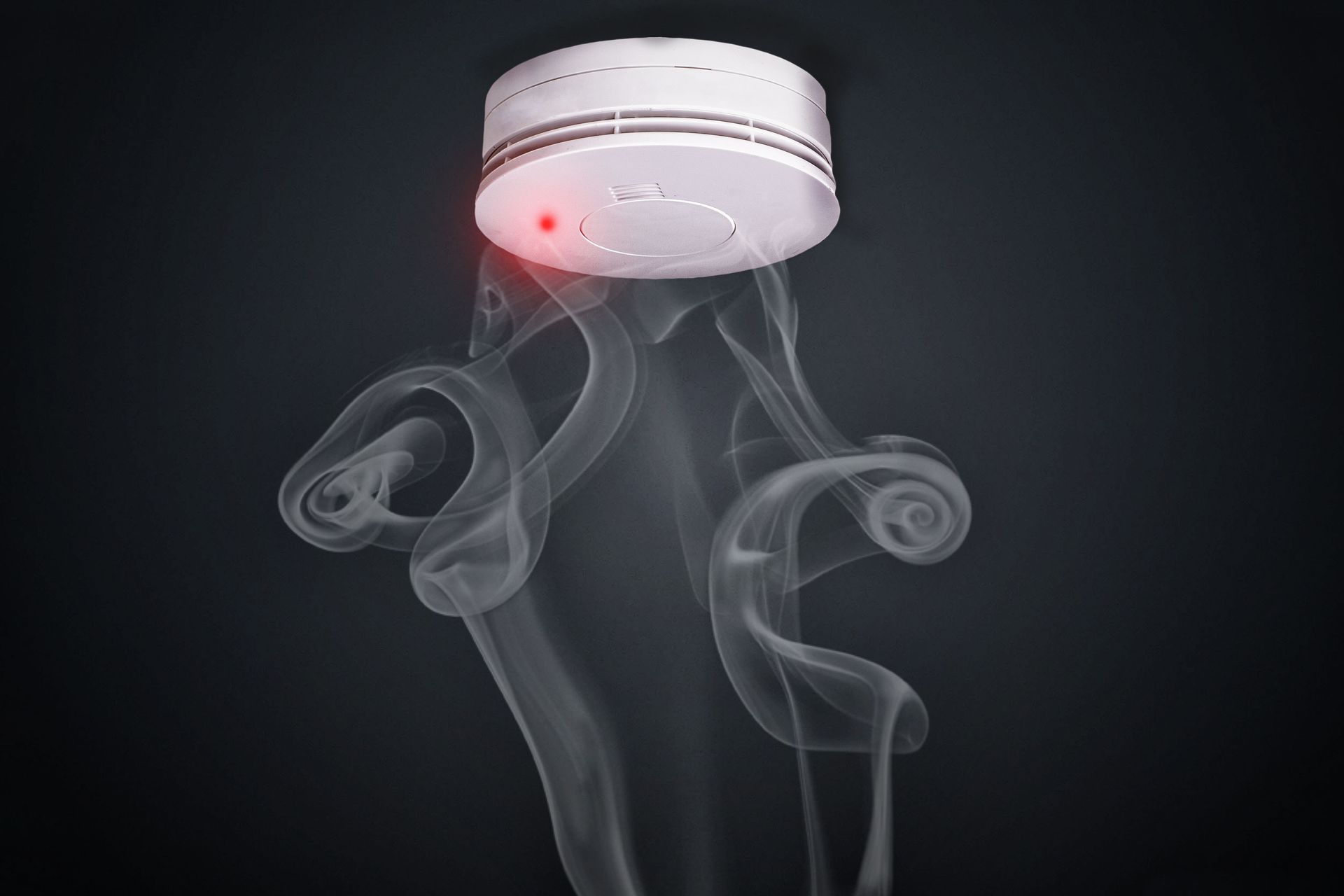
Smoke alarms are an essential part of home safety because they provide an early warning when smoke is detected. Like many household safety devices, however, smoke alarms do not last forever. A unit may still look functional from the outside even when its internal components are becoming less reliable. Homeowners sometimes assume that replacing the battery is enough to keep an older alarm working properly, but batteries are only one part of the system. Sensors, electrical components, and other internal parts can deteriorate as the device ages. Understanding when an alarm has reached the end of its useful life can help homeowners maintain dependable protection throughout the property. Fire alarm companies can also evaluate existing devices and help determine whether individual alarms or an entire system should be replaced.
Recognizing the Age of Your Smoke Alarm
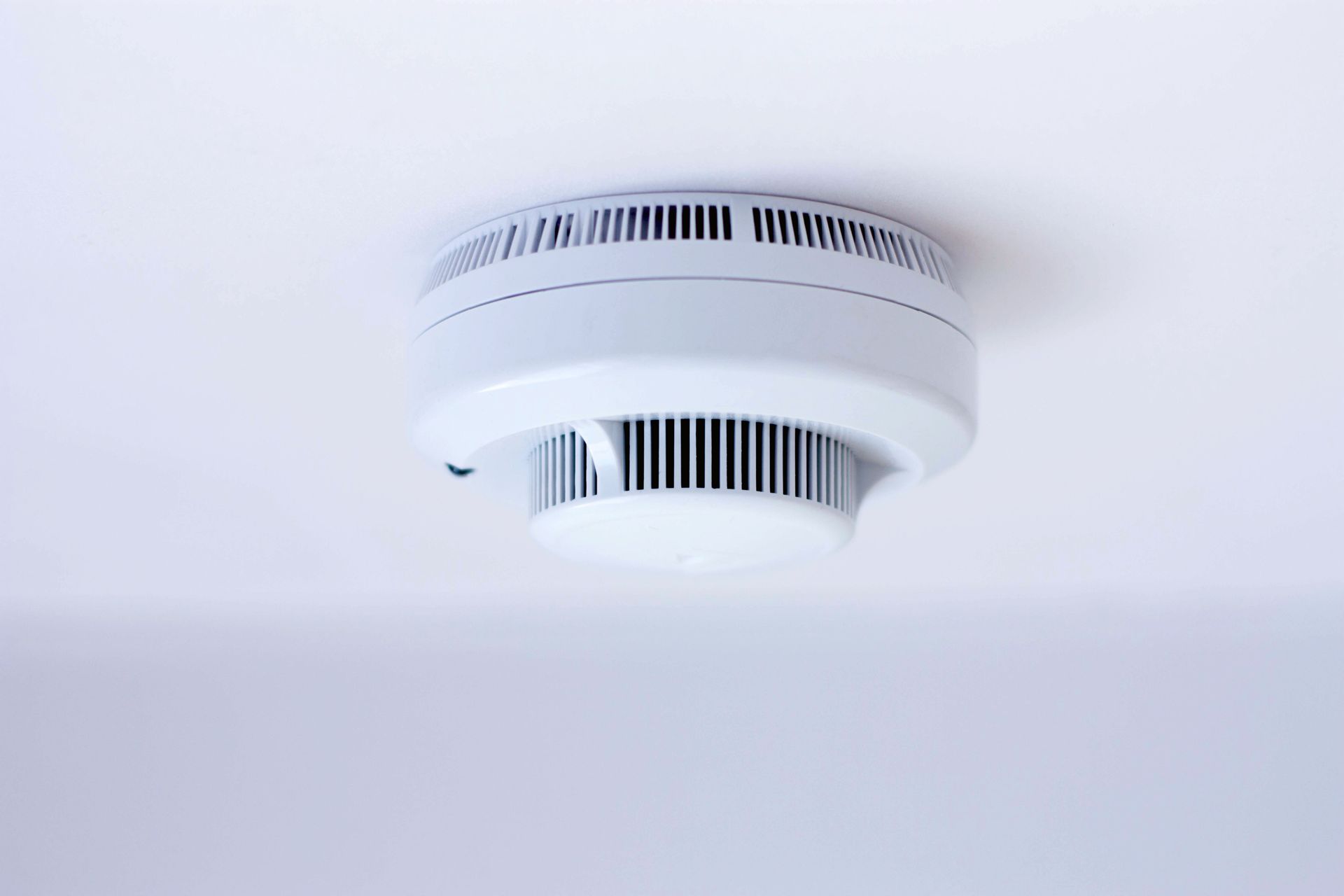
One of the most important factors to consider is the age of the device. Smoke alarms are designed to operate for a limited period because their sensors can become less dependable over time. Even if an alarm responds properly when the test button is pressed, that test does not necessarily confirm that an aging sensor will respond appropriately to smoke. Homeowners should check the manufacturing date printed on the alarm rather than relying only on when they remember purchasing or installing it. If the date is difficult to locate, removing the unit from its mounting plate may reveal the information on the back.
According to Home Advisor, smoke detectors have an average lifespan of about 10 years. Once a device reaches that point, replacing the entire alarm is generally more appropriate than continuing to change batteries and assuming it remains dependable. Homes with multiple alarms installed at the same time may have several units reaching the end of their service lives together. Fire alarm companies can inspect the age and condition of alarms throughout a property, which can be especially useful when homeowners are uncertain about when the devices were originally installed.
Identifying Problems During Routine Testing
Smoke alarms should be tested regularly so homeowners can verify that the audible warning still functions. Most models have a test button that causes the alarm to sound when pressed. If the device remains silent, produces an unusually weak sound, or responds inconsistently, it should not be assumed that replacing the battery will automatically correct the problem. A weak or failed test may indicate that the alarm has reached the end of its useful life or has developed an internal malfunction.
Testing is especially important for alarms that have been installed for many years or are located in areas where they may be exposed to dust, humidity, or changing temperatures. Homeowners should also confirm that interconnected alarms communicate properly when applicable. If one unit fails to activate the others, further evaluation may be necessary. Fire alarm companies have experience examining smoke detection systems and can identify devices that no longer perform as expected. Replacing questionable equipment can provide greater confidence that an alarm will respond when it is actually needed.
Updating Outdated Smoke Alarm Technology
Older smoke alarms may still operate, but newer models can include features that were not available when previous units were installed. Depending on the system, newer alarms may offer improved sensing technology, interconnected operation, sealed batteries, voice alerts, or compatibility with other safety devices. Replacing older alarms can therefore be about more than correcting a failure. It can also provide an opportunity to improve how smoke warnings are delivered throughout the home.
Interconnected alarms can be particularly helpful in larger or multilevel properties because an alarm triggered in one location can cause other connected units to sound. That can provide additional warning to occupants who are far from the original source of smoke. Some homeowners may also want to replace a mixture of older devices with a more consistent system. Fire alarm companies can explain available options and help homeowners understand which types of alarms are suitable for different areas of the property without relying on outdated equipment.
Addressing Damage or Contamination
Smoke alarms can sometimes be damaged before they reach their expected replacement age. Renovation dust, paint, insects, moisture, smoke residue, accidental impacts, and other contaminants may interfere with openings or internal components. A device that has been painted over, exposed to significant water, or heavily contaminated may not function as intended. Cleaning can resolve some minor issues, but homeowners should avoid attempting to disassemble or repair internal parts that were not designed for household servicing.
Physical condition is especially important after remodeling, construction, leaks, or other events that expose alarms to unusual conditions. A unit may appear mostly intact while still having compromised components inside. If there is uncertainty about whether damage has affected performance, replacement may be safer than continuing to depend on a questionable device. Fire alarm companies can evaluate alarms following property changes or damage and recommend replacements when existing units can no longer be relied upon to provide appropriate coverage.
Improving Alarm Placement Throughout the Home
Replacing older alarms can also provide an opportunity to reconsider where smoke detection is located. A home's layout may have changed since the alarms were first installed. Bedrooms may have been added, a basement may have been finished, or another part of the property may now be used differently. Even without remodeling, an older home may have been equipped according to different practices than those commonly used today. Evaluating placement can help identify areas where additional protection may be appropriate.
Homeowners should also consider whether existing alarms are positioned in places where environmental conditions cause frequent false alerts or interfere with dependable operation. Devices installed too close to certain cooking areas, vents, or other sources of airflow may experience problems depending on the layout. Fire alarm companies can assess the overall arrangement of a system instead of looking at each alarm separately. When several aging units are already being replaced, reviewing placement at the same time can help create a more coordinated approach to smoke detection throughout the property.
Replacing Multiple Aging Alarms Together
When several smoke alarms were installed at approximately the same time, replacing only the first one that fails may lead to a cycle of individual replacements over the following months or years. The remaining alarms are likely to have experienced similar aging and environmental conditions. Replacing multiple older units together can make it easier to keep track of future replacement dates and reduce uncertainty about which devices are approaching the end of their service lives.
A whole-home replacement can also be useful when homeowners want compatible interconnected devices or a consistent battery and testing schedule. Instead of maintaining alarms of different ages and models, the property can have devices installed at approximately the same time. Fire alarm companies can help homeowners review the existing system, identify aging or incompatible units, and determine whether replacing several devices together makes sense. Keeping records of installation dates afterward can make future maintenance and replacement planning considerably easier.
A smoke alarm should not be considered permanent simply because it still looks intact or sounds during an occasional test. Age, repeated false alarms, testing problems, physical damage, outdated technology, poor placement, and inconsistent system performance can all indicate that replacement deserves consideration. Replacing the entire device rather than repeatedly changing batteries can be especially important once an alarm reaches the end of its expected service life. Homeowners with several older units may also benefit from evaluating the system as a whole so that smoke detection remains consistent throughout the property. If you are concerned about aging smoke alarms or want professional help evaluating your property's fire safety equipment, contact Barlow Lock & Security Inc.