August 8, 2026
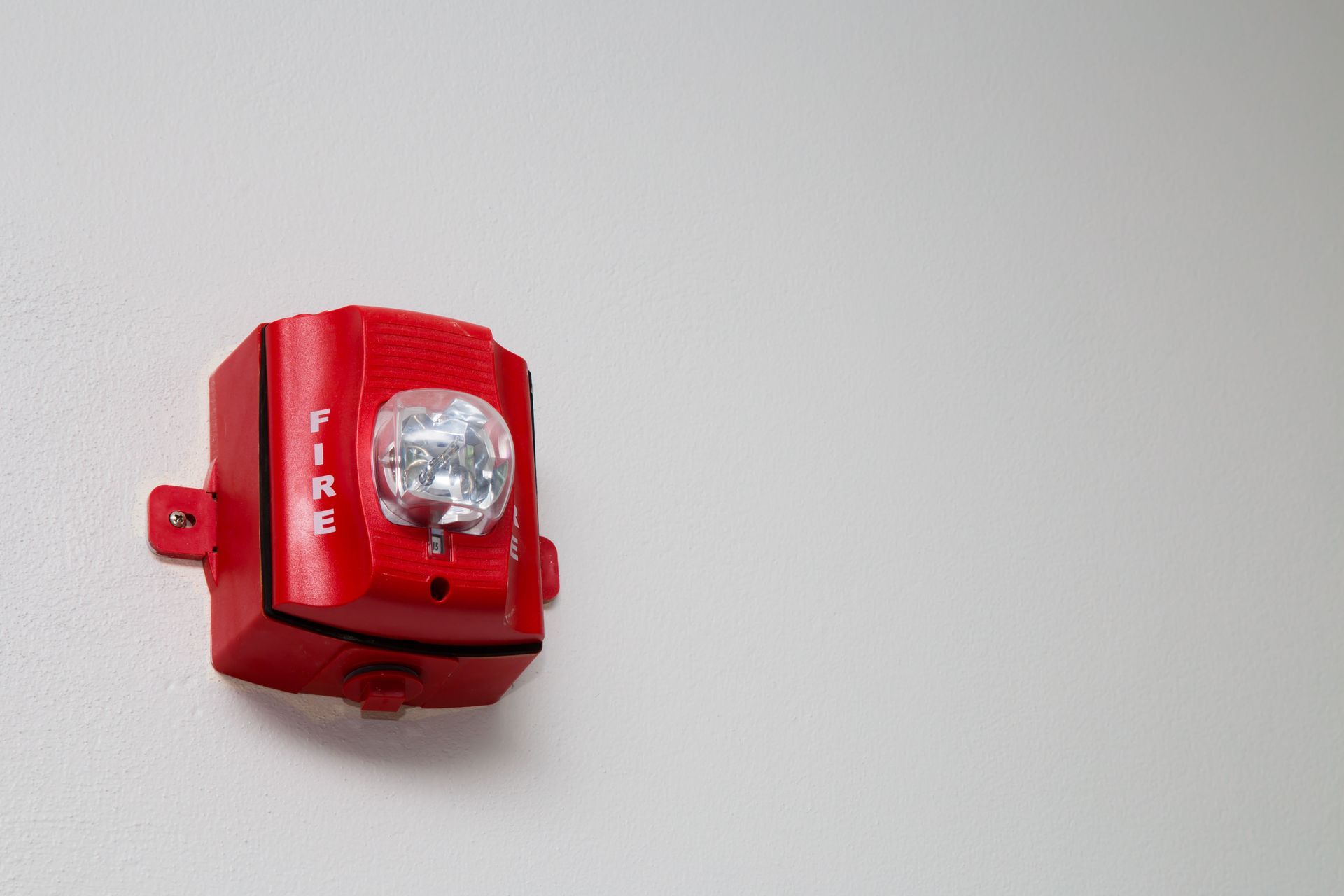
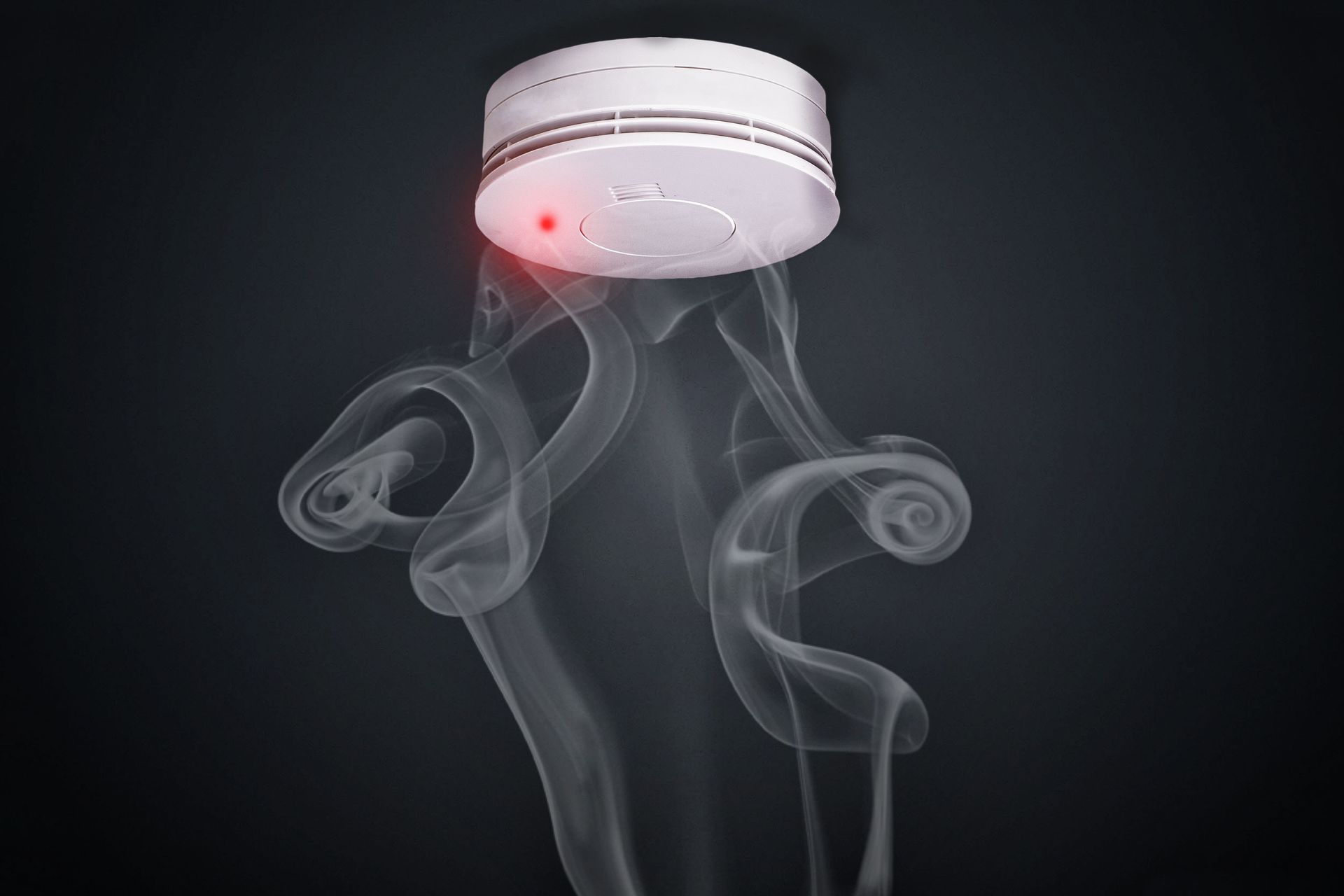
Fire alarm systems work quietly in the background of daily life, often going unnoticed until the moment they're genuinely needed to alert occupants of a dangerous situation developing within a home or business. Many property owners install a system once and assume it will continue functioning effectively indefinitely, without realizing that fire alarm technology, much like any other safety equipment, eventually requires updating to remain genuinely reliable and effective. Understanding when and why to upgrade your fire alarm system helps ensure this critical safety equipment continues doing its job properly when it matters most. Even the most basic components of these systems carry a genuinely limited functional lifespan that many people don't fully account for. According to Home Advisor, smoke detectors last 10 years, highlighting just how important it is to recognize that fire alarm components don't last forever, even when they appear to be working properly on the surface. Below, we'll explore what property owners should know about upgrading their fire alarm system.
Recognizing When Components Have Reached the End of Their Lifespan
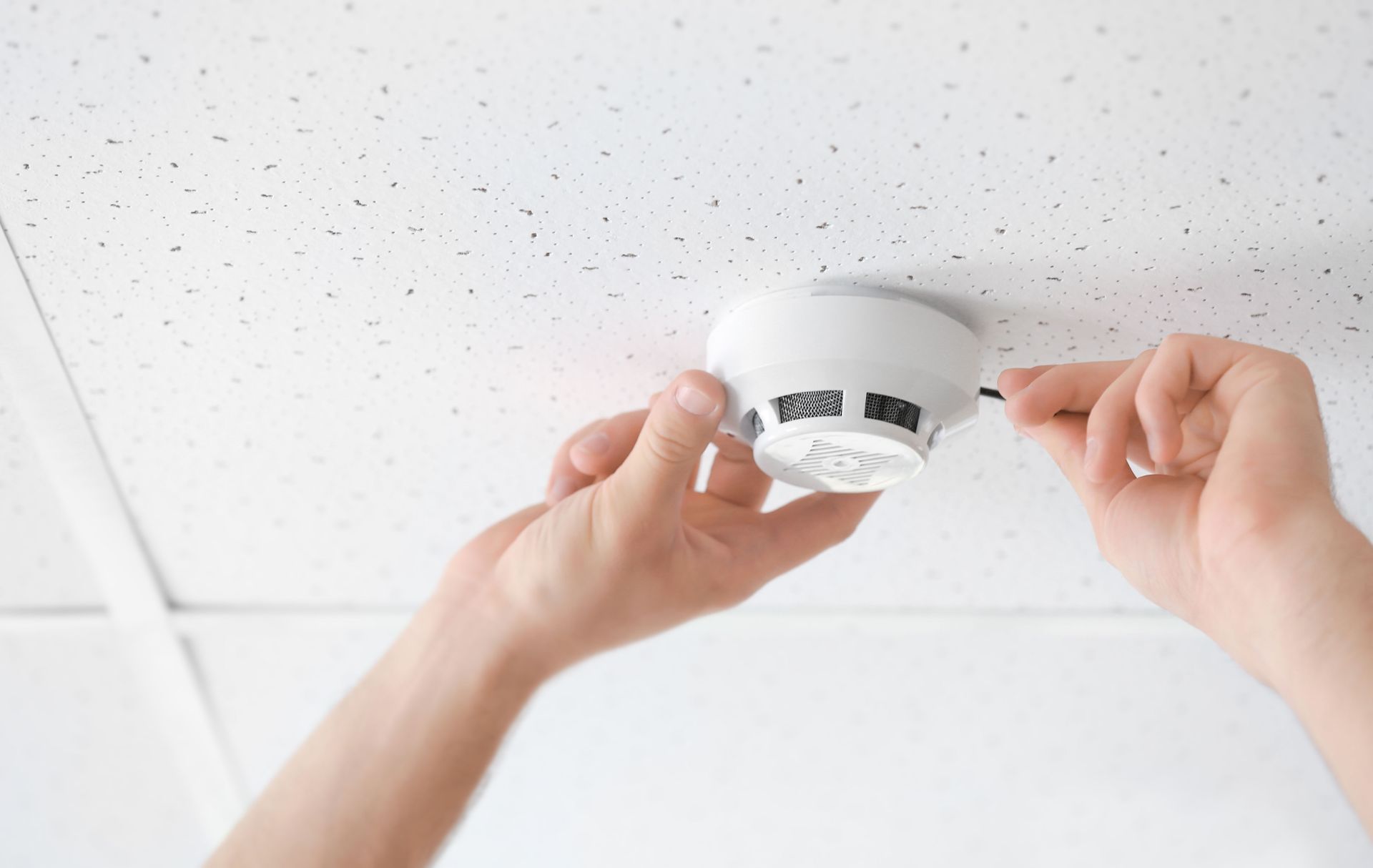
Every component within a fire alarm system, from smoke detectors to control panels, has a genuine expected lifespan after which reliability can no longer be guaranteed, even if the equipment still appears to function normally during routine testing. Aging sensors can become less sensitive over time, potentially delaying detection during an actual emergency when every second genuinely matters for occupant safety. Property owners should track the installation date of their current system components, recognizing that equipment approaching or exceeding its expected lifespan deserves serious consideration for replacement rather than continued reliance. Working with a knowledgeable fire alarm professional helps property owners accurately assess their current system's age and condition, providing honest guidance about whether specific components genuinely need updating. Recognizing this natural equipment lifespan represents an essential first step in determining whether your current fire alarm system needs attention.
Understanding the Benefits of Modern Detection Technology
Fire alarm technology has advanced considerably in recent years, with modern systems offering improved detection accuracy, reduced false alarms, and more sophisticated sensing capabilities compared to older equipment still found in many homes and businesses. These advancements include improved smoke and heat sensors capable of distinguishing between genuine fire conditions and common false alarm triggers, such as cooking smoke or steam from a shower, reducing the frustration and complacency that frequent false alarms can create. Upgrading to this modern technology genuinely improves both the reliability and practical usability of your fire alarm system, encouraging occupants to take alerts seriously rather than dismissing them as likely false alarms. A fire alarm professional can help property owners understand which specific technological improvements would genuinely benefit their particular property and existing system configuration. This access to improved technology represents a compelling reason many property owners choose to upgrade even when their existing system hasn't completely failed.
Integrating Smart Monitoring and Remote Alerts
Many modern fire alarm systems now offer smart monitoring capabilities, sending immediate alerts directly to a property owner's smartphone whenever the system detects smoke, heat, or other emergency conditions, regardless of whether anyone is physically present at the property. This remote monitoring proves particularly valuable for property owners who travel frequently, manage rental properties, or simply want added peace of mind knowing they'll be notified immediately of any developing situation. Upgrading to this kind of connected system often also includes professional monitoring services, ensuring emergency responders are dispatched promptly even if the property owner themselves is unable to respond immediately to an alert. A fire alarm professional can help property owners understand these monitoring options, ensuring the selected system genuinely provides the level of remote oversight and response coordination they're hoping to achieve. This integration of smart technology represents one of the more valuable upgrades available to property owners with older, more basic fire alarm systems.
Ensuring Compliance With Updated Building Codes
Building codes and fire safety regulations periodically get updated, sometimes requiring property owners to bring their existing fire alarm systems into compliance with newer standards, particularly for commercial properties or homes undergoing significant renovation. Staying current with these regulatory changes helps property owners avoid potential fines, insurance complications, or liability concerns that could arise from operating a system that no longer meets current safety requirements. A fire alarm professional familiar with local code requirements can assess whether your existing system remains compliant, or whether specific upgrades have become necessary to meet updated regulatory standards. This compliance consideration becomes particularly important for business owners, since fire code violations can create significant legal and financial exposure beyond just the immediate safety concerns involved. Understanding these regulatory requirements represents an important, practical reason to periodically evaluate whether your fire alarm system genuinely remains compliant with current standards.
Expanding Coverage for Renovated or Additional Spaces
Property renovations, additions, or changes in how specific areas are used often create the need for expanded fire alarm coverage, since existing detection points might no longer adequately protect every relevant area of the property. This becomes particularly important for commercial properties that have expanded their footprint or changed their occupancy type, since fire alarm requirements often vary based on how a specific space is actually being used. A fire alarm professional can assess whether recent changes to your property warrant additional detection points or system reconfiguration, ensuring comprehensive coverage throughout every area that genuinely needs protection. Failing to update fire alarm coverage following significant property changes can leave dangerous gaps in protection, even if the original system was perfectly adequate for the property's previous configuration. This attention to evolving coverage needs represents an important consideration whenever property changes occur that might affect fire safety requirements.
Improving Battery Backup and Power Reliability
Modern fire alarm systems typically offer improved battery backup capabilities, ensuring continued protection even during power outages when many older systems might fail to function properly without a reliable electrical connection. This improved power reliability proves particularly important during severe weather events, when power outages often coincide with increased fire risk from candles, generators, or other alternative heat and light sources people turn to during these situations. Upgrading to a system with more robust backup power capabilities helps ensure your fire alarm continues protecting your property precisely during the situations when this protection often matters most. A fire alarm professional can evaluate your current system's backup power reliability, recommending upgrades if your existing setup doesn't provide adequate protection during power interruptions. This attention to power reliability represents an important, sometimes overlooked consideration when evaluating whether your current fire alarm system genuinely provides adequate protection.
Working With Professionals for Proper System Assessment
Given how many factors genuinely influence whether a fire alarm system needs upgrading, working with an experienced fire alarm professional provides invaluable, personalized guidance rather than relying on guesswork about your system's current adequacy. These professionals can conduct a thorough assessment of your existing equipment, identifying specific components approaching the end of their functional lifespan alongside any coverage gaps or compliance concerns that might warrant attention. This professional evaluation helps property owners make genuinely informed decisions about their fire alarm investment, rather than either neglecting a system that genuinely needs updating or spending money on unnecessary upgrades. Establishing this kind of professional relationship also provides ongoing support, ensuring you have knowledgeable guidance readily available whenever questions about your system's performance or maintenance needs arise. This professional partnership represents the most reliable path toward ensuring your fire alarm system genuinely provides the protection your property and its occupants deserve.
At Barlow Lock & Security Inc, we understand how critical a properly functioning fire alarm system is to protecting your property and the people within it, and we're committed to providing thorough, honest assessments to help you determine whether an upgrade genuinely makes sense for your situation. Our experienced team stays current on the latest fire alarm technology, code requirements, and monitoring options, ensuring our recommendations reflect genuinely current best practices. We believe that safety equipment deserves careful, informed attention rather than being treated as a one-time installation you never revisit. Whether your system is approaching the end of its expected lifespan or you're simply interested in exploring modern upgrades, our knowledgeable team is here to help every step of the way. If you're ready to evaluate your
fire alarm system, contact Barlow Lock & Security Inc today to schedule your consultation.