June 10, 2026
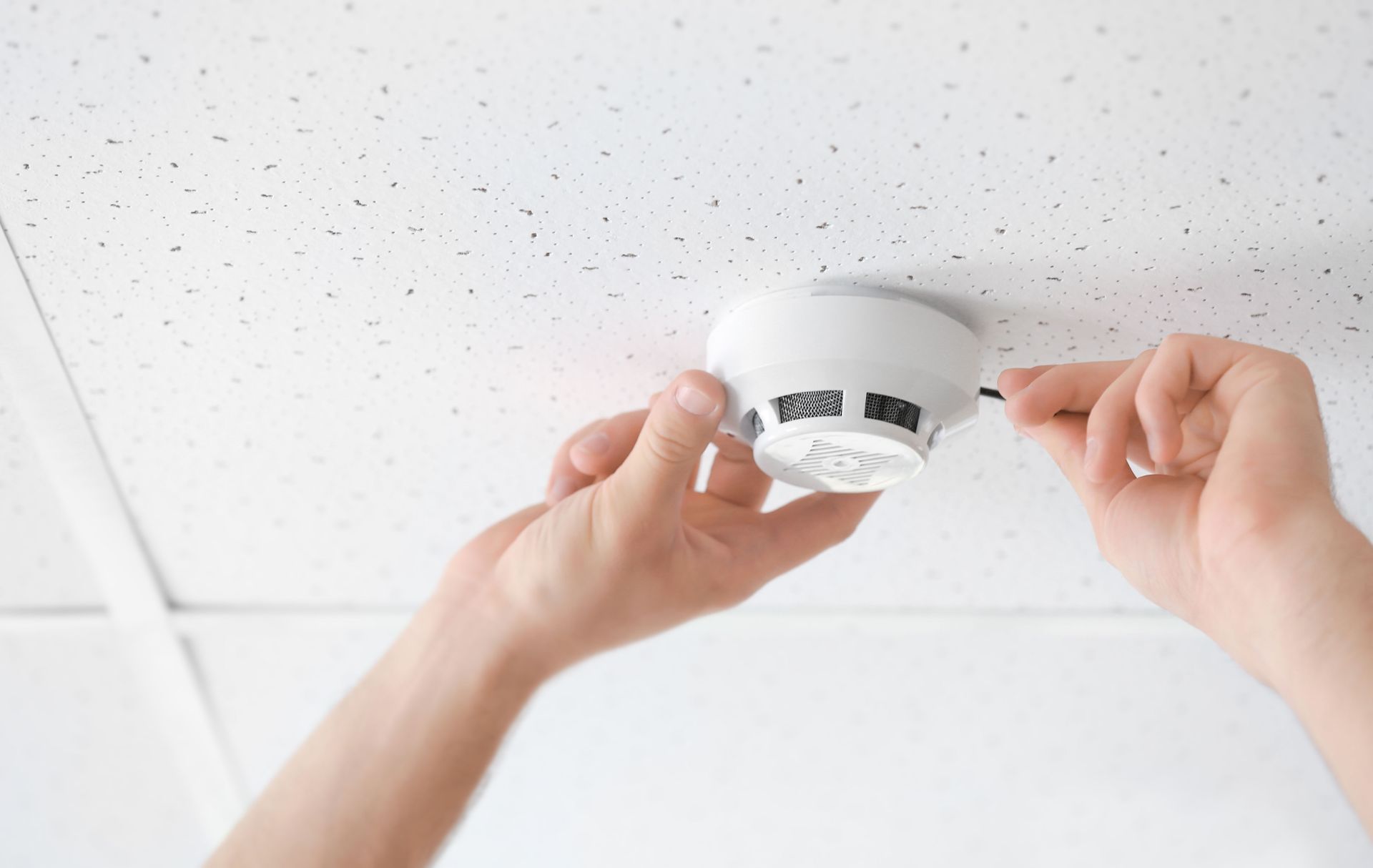
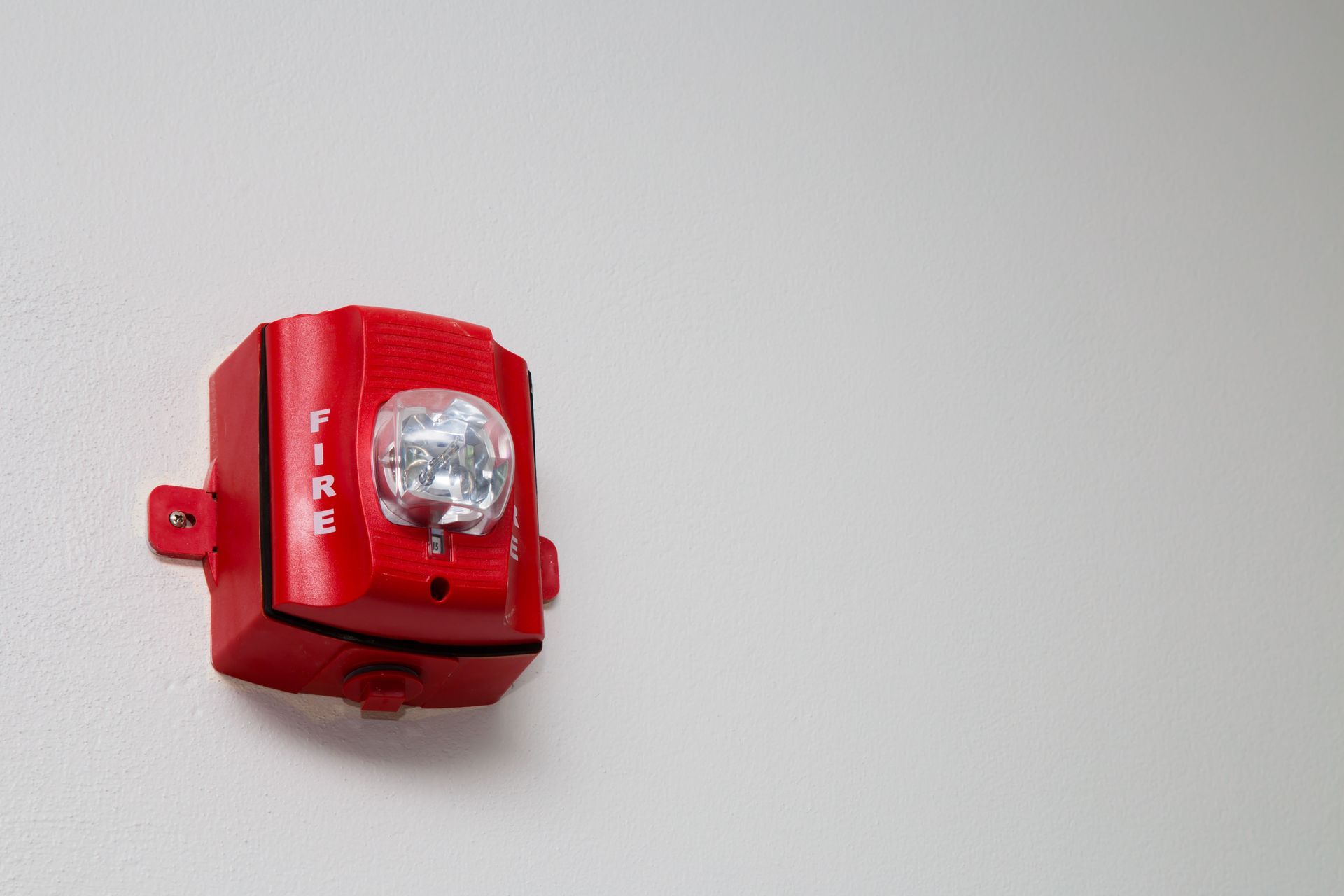
Understanding how often you should replace your fire alarm is crucial for ensuring safety in your home or business. This article explores the factors determining fire alarm replacement, legal requirements, and best practices for maintaining your fire safety systems. Many assume that once installed, fire alarms can be forgotten until triggered, but this is far from the truth. Regular updates and maintenance are vital to ensure these devices function correctly when you need them the most. As technology evolves, so too do the capabilities and expectations of modern fire alarms, highlighting the importance of staying informed and proactive about replacement schedules.
Understand the Lifespan of Fire Alarms
There are several types of fire alarms available, each designed to detect different types of emergencies. Smoke alarms, carbon monoxide (CO) alarms, and combination units are the most common categories. Smoke alarms further subdivide into ionization, photoelectric, and dual-sensor alarms. Each type of alarm functions differently and requires different maintenance and replacement strategies. Choosing the right type for your property is crucial for overall safety efficacy.
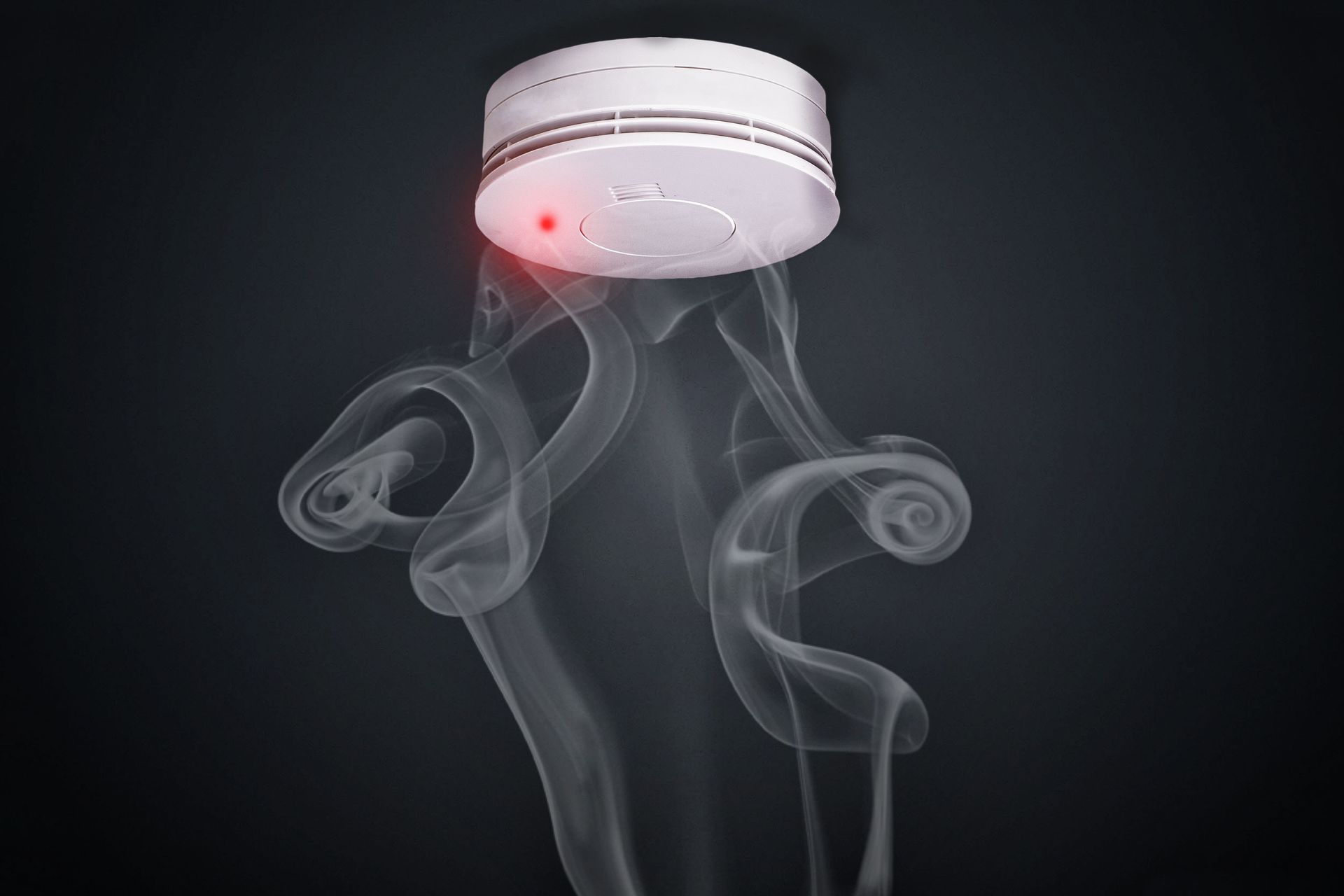
Smoke alarms are typically focused on detecting the presence of smoke particles from combustive fires. They are best installed in areas with high risk, such as kitchens and garages. CO alarms, on the other hand, detect the presence of carbon monoxide—a colorless and odorless gas that can be deadly at high levels. These are crucial in homes with gas appliances to alert residents before CO levels become dangerous. Understanding the different alarm types helps homeowners make informed decisions about installing and maintaining these units.
Follow Manufacturer Recommendations
Most fire alarm manufacturers recommend replacing units every 10 years. This recommendation is based on the wear and tear of electronic components, as well as advancements in technology that offer improved detection capabilities. Over time, sensors become less reliable, and internal components may corrode or degrade. Following manufacturer guidelines ensures you benefit from the latest technologies and maintain optimal safety. When in doubt, consult the manual that accompanies your specific model for precise advice.
Manufacturers continually improve fire alarm technology; adopting newer models can mean better protection. Improved sensor accuracy and the ability to connect with other smart home devices are examples of technological advancements. According to a report by Globe NewsWire, wireless protocols are projected to experience the highest compound annual growth rate from 2024 to 2032, driven by the expanding demand for seamless connectivity and the widespread adoption of smart home devices. Replacement guidelines provided by manufacturers consider these aspects, emphasizing the importance of regular updates. Not adhering to these timelines could compromise the safety of your home or business.
Beyond technology improvements, manufacturers frequently incorporate enhanced battery life and user notifications in newer models. These increase reliability and decrease the hassle of frequent maintenance for homeowners. Many modern alarms now come with sealed lithium batteries, eliminating the need for regular battery changes. Replacement of these advanced units after their lifespan is crucial; otherwise, the risk of malfunction rises significantly. Investing in the latest models, according to manufacturer recommendations, ensures optimal performance when it matters most.
Evaluate Factors Affecting Longevity
Several factors can influence the lifespan of fire alarms, aside from standard manufacturer recommendations. Humidity, dust, and environmental conditions can negatively impact the sensory components, reducing effectiveness over time. Additionally, power surges or improper installation may hasten wear and tear. Regular inspections can identify these issues early, enabling timely remediation to extend the life of the alarm. Being proactive about environmental factors helps maintain reliability across the intended lifespan.
Quality of the initial product plays a significant role in longevity. Opting for reputable brands typically yields more durable components, yet environmental factors should not be overlooked. Locations near kitchens or furnaces may expose alarms to increased levels of cooking or smoke particles, resulting in quicker degradation. Although higher initial costs might be involved, investing in premium brands often results in lower long-term expenses due to their extended lifecycle. Regular replacement remains necessary but can be optimized by accounting for these influencing factors.
Identify Signs Your Fire Alarm Needs Replacement
Fire alarms will often display several indicators that signal they are nearing the end of their lifespan. Frequent false alarms may indicate sensor degradation, requiring immediate assessment and potential replacement. Diminished or irregular sound output also suggests an impending failure, as the alarm may not have the power to alert occupants effectively. When the device emits erratic or constant low battery signals, despite new batteries, it may have internal issues necessitating replacement. Observing these signs early can prevent unnecessary risks and ensure timely updates.
Visible damage to the alarm's components, such as discolored casing or signs of corrosion, is a significant indicator of a needed replacement. Cleaning and maintenance opportunities can be taken to inspect for such impairments. Prompt action when physical defects are observed can safeguard against device malfunction. Additionally, if the alarm is part of an interconnected system and fails to communicate properly, its replacement should be prioritized to maintain overall system integrity. Paying close attention to alarming signs extends the reliability and function of your fire safety systems.
Compare Lifespan in Smoke and CO Alarms
Smoke alarms and carbon monoxide alarms, while both crucial, have different functions and timelines for replacement. Smoke alarms generally need replacement every 10 years, as the sensors degrade and become less reliable over time. CO alarms, however, may have a slightly shorter lifespan, roughly around five to seven years. This lifespan difference is due to the design and the environments they monitor. Being aware of these variances ensures that both types of alarms are functioning optimally and replaced appropriately.
Maintaining accurate records of installation dates for both types of alarms is critical for adherence to replacement schedules. Keeping these records helps property owners manage replacement costs and maintain peace of mind. Modern fire and CO alarms may come with digital readouts or connectivity options to remind owners of impending expiration dates. Leveraging this technology can facilitate timely replacements and mitigate potential risks. Alarm technology advancements should further drive decisions when considering replacements and upgrades.
Meet National Standards
Regulations governing the replacement of fire alarms are set by various national standards organizations, ensuring uniform safety measures across buildings. Organizations like the National Fire Protection Association (NFPA) provide comprehensive guidelines on both the installation and replacement frequency of fire alarms. These standards are periodically updated to reflect new research findings and technological advancements. Adhering to these national standards ensures your property complies with recognized safety benchmarks.
The NFPA recommends replacing smoke alarms every 10 years and conducting monthly tests to ensure functionality. Additionally, the NFPA suggests integrating new alarms with interconnected systems to allow for better emergency communication throughout premises. Regular adherence to these protocols can greatly enhance the safety of your property and the effectiveness of your fire prevention systems. Modern interconnected systems can be particularly beneficial in multifaceted buildings, allowing for quicker and more efficient responses to fires.
Check Local Building Codes
Alongside national standards, local building codes play a crucial role in determining the fire alarm replacement schedule within specific jurisdictions. These codes may supplement national guidelines with additional requirements based on regional factors like climate, population density, and prevalent building structures. Property owners should consult local regulatory bodies to understand any unique requirements or additional safety measures deemed necessary in their area. Keeping abreast of changes in local codes ensures compliance and enhances property safety.
Local building codes may mandate more frequent inspections or the integration of newer technologies in fire alarms. These requirements can be driven by analysis of past incidents or an effort to mitigate region-specific risks. Given the variance in local regulations, what works in one city or township may not suffice in another. Regularly updating fire alarm systems in line with local codes minimizes liability and maximizes protection. Aligning with these codes will often entail liaison with local authorities or fire departments for current and relevant information.
Maintaining an up-to-date residential or commercial safety framework is an ongoing responsibility that requires professional attention. We bring over 55 years of experience to every property, delivering top-tier commercial and residential security solutions since we were founded in 1969. Contact Barlow Lock & Security Inc today for your free estimate and allow our seasoned experts to inspect, update, or replace your fire safety components to keep your environment perfectly protected.