September 11, 2026
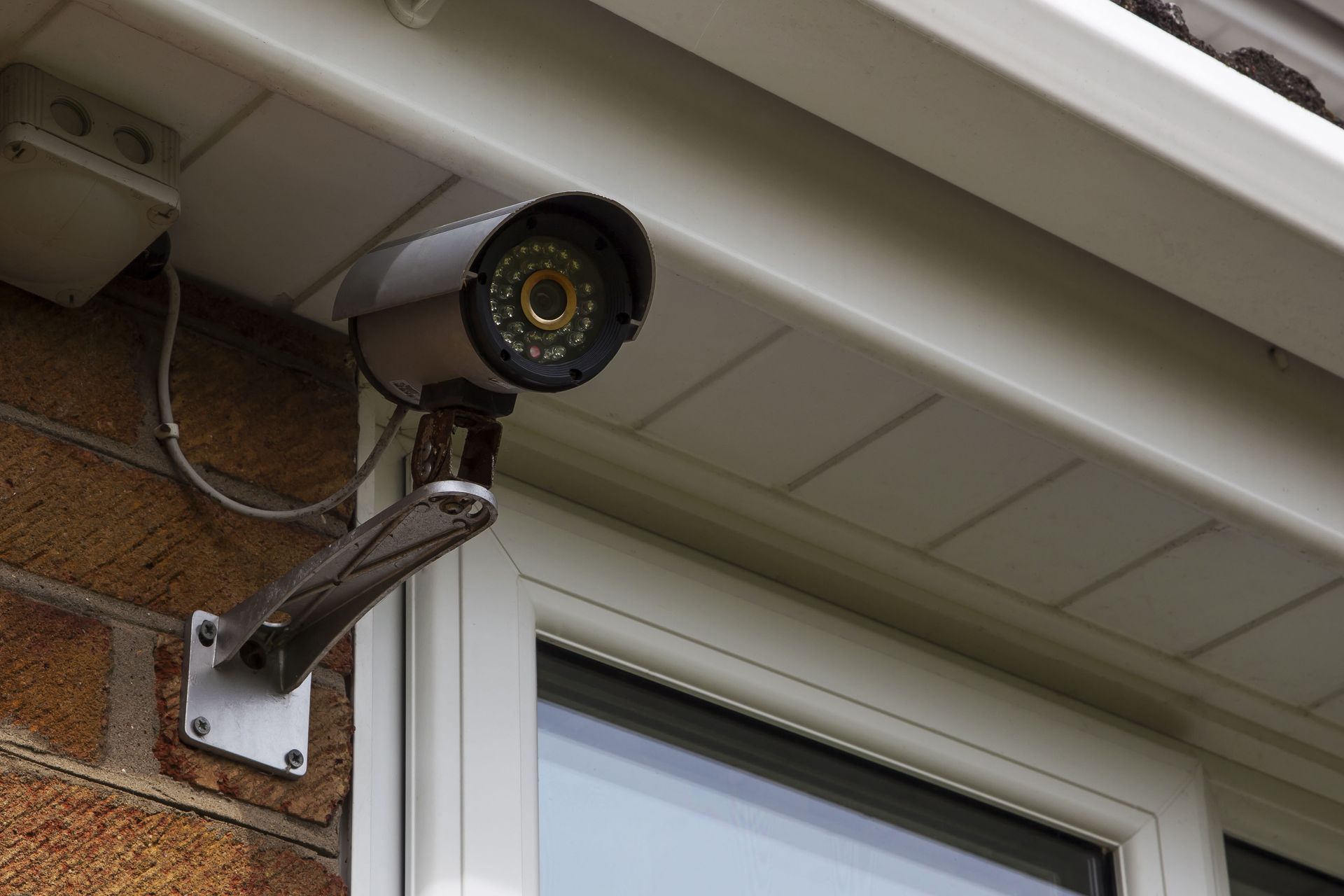
Video surveillance has become ubiquitous in the United States, permeating public spaces, commercial centers, and neighborhoods. The journey of video surveillance from a niche, military-grade technology to a widely accepted security measure is a fascinating chapter in modern history. Today, Americans view closed-circuit television and smart cameras as essential safeguards.
The Birth of CCTV Technology
The concept of closed-circuit television (CCTV) technology originated in the mid-20th century for military and scientific uses. Early systems were rudimentary, requiring dedicated cabling, manual monitoring, and specialized maintenance teams. The technology initially found its primary niche in high-security environments like financial institutions and government facilities. Widespread commercial adoption faced steep technical and financial barriers. However, these early hurdles set the stage for rapid innovation. Businesses quickly realized that working with a professional security system company could help them safeguard valuable assets.
Initial Uses and Applications
Early commercial deployments focused heavily on loss prevention. Retailers invested in video monitoring to combat shoplifting and monitor employee conduct. Industrial facilities utilized cameras to ensure workplace safety and operational efficiency. Soon after, municipal traffic authorities deployed cameras to manage highway congestion. As these applications expanded, property owners began to appreciate how a dedicated security system company could help streamline operations while deterring crime.
Early Legal and Ethical Considerations
Legal and ethical debates around video surveillance have persisted since its earliest days. Privacy concerns naturally emerged as public awareness of monitoring devices grew. Governments were tasked with balancing public safety against civil liberties. Legal frameworks formed slowly to address spatial expectations of privacy. Ethical debates frequently cited fears of corporate overreach, foreshadowing the complex digital privacy discussions that take place today.
Public Reception and Resistance
Initial public reception of surveillance technology was mixed. While many citizens lauded its protective potential, others feared an unwarranted intrusion into daily life. Concerns about "Big Brother" became a common refrain in media coverage. Despite this resistance, falling equipment costs and improved visual clarity helped the technology gain widespread acceptance. Public opinion eventually shifted from skepticism to demand, transforming cameras into standard architectural fixtures.
The Role of Government and Law Enforcement
Government agencies were among the earliest champions of video monitoring. Municipalities deployed hardware across sensitive locations, transit hubs, and public events. Law enforcement agencies recognized the immense value of video for crime prevention and criminal identification. Over time, public-private partnerships facilitated broader camera coverage across urban centers. Collaborations between police departments and local business owners proved that coordinated visual monitoring could significantly reduce response times.
Technological Advancements in Camera Systems
Advancements in digital technology dramatically enhanced the capabilities of security cameras. Analog systems gave way to high-definition digital cameras with advanced network connectivity. Wireless systems reduced installation complexities, allowing any reputable security system company to deploy hardware without tearing through walls. Furthermore, enhanced storage options, such as cloud repositories, eliminated the need for bulky physical tape archives.
Evolving Business and Commercial Needs
Rising property crimes driven by economic shifts pushed businesses to upgrade their defenses. Companies sought comprehensive protection, demanding systems that integrated access control, alarms, and visual monitoring. A commercial security system company could tailor video setups to specific industry needs, whether for monitoring supply chains or securing financial vaults. This adaptability made video surveillance indispensable across retail, healthcare, and logistics sectors.
Integration into Urban Infrastructure
The integration of cameras into urban infrastructure accelerated during the late 20th century. Municipalities embedded cameras across public plazas, traffic intersections, and parks. Smart cities emerged, utilizing surveillance networks alongside Internet of Things sensors to manage urban traffic flows and emergency responses. Despite ongoing debates about data protection in public spaces, city planners continue to treat video monitoring as essential municipal infrastructure.
The Spread to Residential Areas
The introduction of affordable home surveillance technology brought visual security directly to consumers. Modern wireless cameras offer seamless smartphone integration, allowing homeowners to monitor their front porches in real time. According to RubyHome, over 68 million households have video surveillance cameras, while about 32% of households have an alarm system. The unmatched convenience of instant mobile alerts transformed residential security from a luxury service into a standard household utility.
Impact of 9/11 on Surveillance Expansion
The tragic events of September 11, 2001, fundamentally altered the trajectory of American security policy. National defense priorities shifted toward threat detection and infrastructure protection. Airports, transit networks, and high-profile public venues saw massive camera rollouts. Federal grants enabled local governments to upgrade their security infrastructure. This pivotal moment solidified video surveillance as a central element of national preparedness.
The Influence of Media and Pop Culture
Media depictions of surveillance have deeply influenced public perception. Television crime dramas routinely show video footage providing the crucial evidence needed to solve cases. Conversely, dystopian films highlight the potential dangers of pervasive monitoring. This dual portrayal has normalized the presence of cameras in everyday life, leading most citizens to view visual recording as a natural background element of modern society.
Changing Attitudes Towards Privacy
Attitudes toward personal privacy have evolved alongside technological capabilities. Historical resistance to public monitoring has largely given way to an explicit preference for visible security measures. Many citizens now consider video recording a reasonable trade-off for personal safety. Modern software features, such as localized privacy masking, offer further reassurance, helping consumers balance their desire for protection with personal boundary concerns.
The Rise of the Surveillance Society
The concept of a "surveillance society" reflects how deeply monitoring is woven into daily life. From traffic intersections to retail checkout lines, Americans pass dozens of cameras daily. Digital integration, including automated license plate readers, has broadened the scope of visual monitoring. While some citizens express concern over constant observation, the majority have adapted to this landscape, treating cameras as ordinary components of public life.
Fear of Crime and Desire for Security
The fundamental driver behind camera adoption remains the human desire for safety. Highlighting property crime statistics on local news fuels consumer demand for visible defense measures. Property owners view cameras as active deterrents against trespassing and theft. When coupled with monitoring services from a professional security system company, video surveillance offers homeowners peace of mind when traveling or away at work.
The Trust Factor: Feeling Safer with Cameras
Beyond physical deterrence, visual surveillance delivers psychological comfort. Seeing a camera above an entryway instills a feeling of oversight and order. Parents utilize indoor cameras to check on children after school, while small business owners rely on external feeds to oversee operations remotely. Trust in video technology continues to rise as device reliability, cloud uptime, and video resolution improve.
Integration of AI and Machine Learning
Artificial intelligence is fundamentally changing how surveillance footage is processed. Modern systems utilize machine learning algorithms to distinguish between falling leaves, wandering pets, and human intruders. Automated threat detection alerts property owners to suspicious activity in real time, eliminating the need to review hours of static footage. These intelligent features make security systems far more proactive than past passive recording setups.
Video surveillance has transformed from a crude monitoring tool into America's ultimate security blanket. Cameras offer indispensable peace of mind in an increasingly complex world. Whether securing a residential property or safeguarding a commercial complex, relying on a trusted security system company ensures your equipment is configured correctly and securely. When you are ready to enhance your home or business defenses with cutting-edge technology, trust the experienced team at Barlow Lock & Security Inc to deliver comprehensive, professional solutions tailored to your needs.